





|
Quantity
|
Total
|
||
|
|
|||
|
|
|||
Wood Stains & Waxes for Carved Wood
Finishing is the stage that brings a carving together.
After the cutting is complete, the right wood stain or wax finish can deepen the color, emphasize grain and give the finished piece a more deliberate appearance without hiding the carving itself.
STRYI offers two different types of wood-finishing products:
Wood stains change the color of the wood while allowing the grain and carved texture to remain visible.
Wood waxes and oil-waxes are used as finishing coats to enrich the appearance of the surface and provide additional protection.
They perform different jobs, so the best result often comes from choosing the finish according to the project rather than treating stain and wax as interchangeable products.
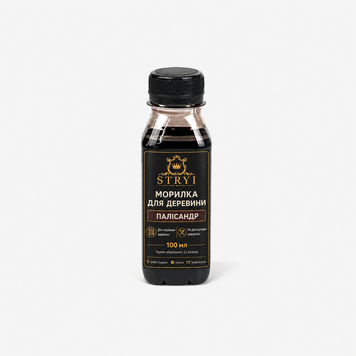
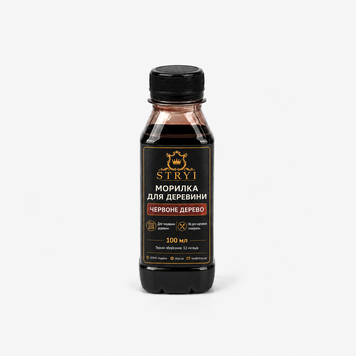
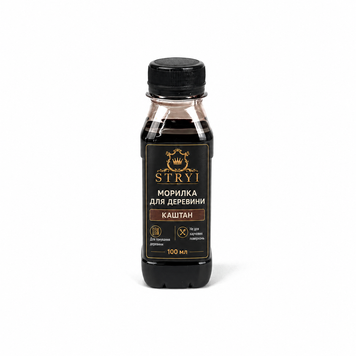
Alcohol-Based Wood Stain for Clear, Visible Grain
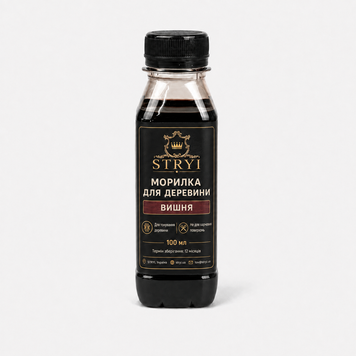
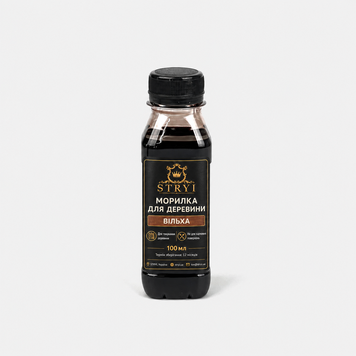
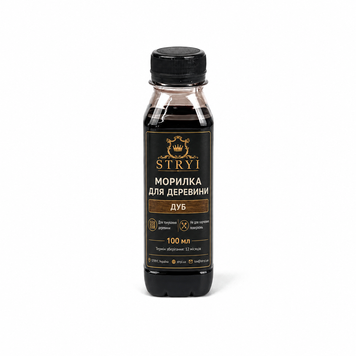
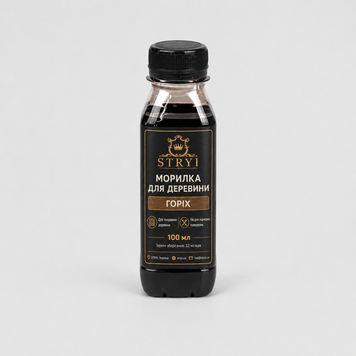
STRYI currently offers an Alcohol-Based Wood Stain designed to color the wood fibers without creating an opaque painted layer. The current line includes shades such as Chestnut, Walnut, Cherry, Oak and Alder.
Alcohol-based stain is particularly useful for carved work because it allows:
- grain to remain visible;
- carving marks and relief to stay defined;
- light wood to take on a deeper tone;
- multiple coats to build color gradually;
- the surface to dry relatively quickly between applications.
Unlike a protective topcoat, however, stain primarily adds color — it does not replace a final protective finish. STRYI's current guidance makes this distinction explicitly: the dye colors the wood, while the protective finish is applied afterward.
How to Apply Alcohol-Based Wood Stain
Fast drying is one of the advantages of an alcohol-based stain, but it also means the application needs to be deliberate.
For the most consistent result:
- prepare a clean, smooth surface;
- remove dust before staining;
- test the color on a scrap or hidden area first;
- work in manageable sections;
- maintain a wet edge where possible;
- build the color with lighter coats rather than forcing maximum darkness in one pass.
STRYI currently recommends applying the stain generously and evenly and building the final tone in layers. Because alcohol evaporates quickly, repeatedly working over an area that has already begun to dry can create visible overlaps.
The final color will also vary depending on the wood species, grain direction, surface preparation and number of coats.
Why Test the Color First?
A color name such as Walnut, Cherry or Oak describes the intended tone, not the species of wood you must use it on.
The same stain can look very different on pale basswood than on walnut, oak or another darker species.
Carved surfaces can also absorb stain differently from sanded flat surfaces because end grain and recessed cuts may take more color.
For this reason, test the stain whenever possible before applying it to the finished carving.
This is especially useful for relief carving, where deeper areas may naturally appear darker and increase the visual contrast of the design.
Wood Wax and Oil-Wax Finishes
After carving or staining, a wax-based finish can be used to complete the surface.
STRYI currently offers carnauba wax and carnauba oil-wax formulations, including clear and tinted options. The current product range also includes beeswax and beeswax/oil formulations.
These finishes are intended to enhance the natural appearance of wood while adding a protective finishing layer.
They work particularly well for:
- carved decorative pieces;
- relief panels;
- figurines;
- boxes and ornaments;
- spoons and kuksas where the specific selected finish is suitable for the intended use;
- other handmade wooden objects.
The current STRYI carnauba oil-wax is positioned to enhance the grain while adding a durable protective finish.
Carnauba Wax vs. Beeswax
Both are natural waxes, but they create somewhat different finishing characteristics.
Beeswax is traditionally used when a softer, more natural-looking finish is desired. It can enrich the wood tone and produce a smooth satin appearance.
Carnauba wax is harder and is commonly chosen when greater surface durability and a more pronounced sheen are desirable.
STRYI also offers oil-wax combinations, which combine oil penetration with a wax finishing layer.
For carved work, the best choice depends on whether the priority is a softer natural appearance, stronger surface protection or a particular visual effect.
Stain First, Wax After
If you want both color and a wax finish, the normal sequence is:
carve → prepare the surface → stain → allow it to dry completely → apply wax or oil-wax
The stain changes the tone of the wood.
The wax or oil-wax completes the surface and enhances the final appearance.
Do not apply wax before staining if you intend the stain to penetrate the wood, because a waxed surface can interfere with absorption.
Always follow the instructions for the specific STRYI finish being used, because pure wax, oil-wax and alcohol-based stain require different application methods.
Applying Carnauba Oil-Wax
For its current Carnauba Oil-Wax, STRYI recommends starting with a surface that is dry and free from dirt, old wax and grease. The product is applied in the direction of the grain, and excess material that has not penetrated the wood should be removed rather than left as a heavy surface layer.
The current instructions recommend multiple thin applications rather than one excessively heavy coat.
This is particularly important on carved surfaces, where finish can collect in deep grooves and corners if too much material is applied at once.
Choose the Finish by the Result You Want
A simple way to choose is to start with the visual goal.
Want to change the color while keeping the grain visible?
Choose an Alcohol-Based Wood Stain.
Want to keep the natural wood color but enrich and finish the surface?
Choose a clear wood wax.
Want additional color together with an oil-wax finish?
Choose a tinted oil-wax.
Want a traditional natural wax finish?
Choose a beeswax-based finish.
The important point is that stain and wax solve different problems. Stain is primarily about color; wax and oil-wax are primarily about the final surface and protection.
Finish Your Carving Without Hiding the Wood
A good finish should support the carving rather than compete with it.
For relief carving, figurines, boxes, spoons and other handmade wood projects, STRYI Wood Stains & Waxes allow the final surface to be adjusted from natural and understated to deeper and more contrasting.
Choose the stain for the color you want, then select the appropriate wax or oil-wax for the final appearance and intended use of the finished piece.