




|
Quantity
|
Total
|
||
|
|
|||
|
|
|||
Wood Stains & Primers for Carving and Woodworking
The finish should enhance the wood, not hide the work that went into carving it.
STRYI Wood Stains & Primers are intended for different stages of surface preparation and finishing. Wood stain changes the tone of the wood while keeping the grain and carved texture visible, while primer prepares the surface for compatible coatings applied later.
This distinction is especially important for carved pieces. Relief, knife marks, grain direction and subtle changes in depth are part of the visual character of the finished work, so an opaque coating is not always the desired result.
Alcohol-Based Wood Stain: Color Without Hiding the Grain
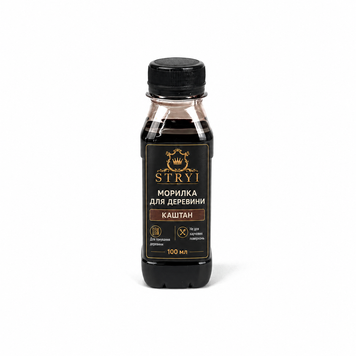
STRYI currently offers alcohol-based wood stains designed to color the wood fibers rather than cover the surface with an opaque film.
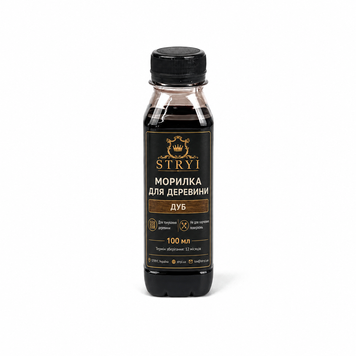
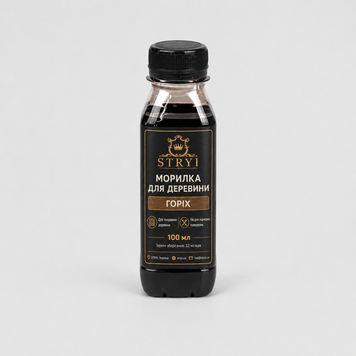
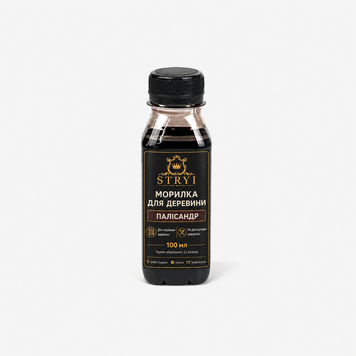
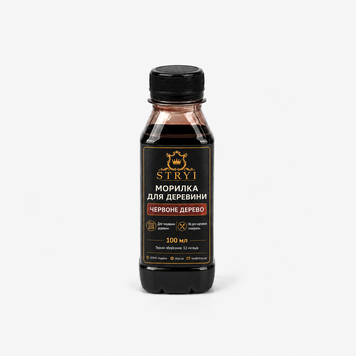
The current range includes natural wood-inspired shades such as Chestnut, Walnut, Cherry, Oak and Alder.
Because the color penetrates the wood rather than sitting on top like paint, the grain and carving remain visible. This makes alcohol-based stain particularly useful for relief carving, figurines, decorative panels, boxes and other projects where the surface itself is part of the design.
Your source follows the same positioning: the stain changes the tone without concealing the natural grain, while the final appearance depends on the species, original color and surface preparation.
Why Alcohol-Based Stain Works Well on Carved Wood
Alcohol evaporates quickly, which makes this type of stain useful when a project needs to move through the finishing stages without long waiting periods.
The faster drying time also means application technique matters.
Work in manageable sections and maintain a wet edge. Avoid repeatedly brushing over areas that have already started to dry, because that can produce visible overlaps. For a deeper color, several controlled applications are generally easier to manage than trying to achieve the final tone with one excessively heavy coat.
Current STRYI guidance likewise recommends building color gradually rather than forcing the full depth in one pass.
Always Test the Color First
The name of a stain describes the intended color family, not the exact final color on every species of wood.
For example, a Walnut stain applied to pale basswood will not look identical to the same stain applied to oak or another darker species.
The final result can change according to wood species, density, natural color, sanding, grain direction and the number of applications. Carved end grain can also absorb more stain than broad flat surfaces.
For this reason, test the stain on an offcut of the same wood or on a hidden part of the project before treating the entire surface. This recommendation is also included in your source text.
What Is Wood Primer Used For?
A wood primer serves a different purpose from stain.
It is used when the surface needs preparation before another compatible finishing layer is applied. On porous or unevenly absorbent wood, a suitable primer can help create a more consistent base for the next stage of finishing.
Primer may be useful when you want to reduce differences in absorption between areas of the workpiece or prepare the wood for a particular paint or coating system.
The important point is compatibility. The primer, stain and final coating should be selected as parts of one finishing system rather than mixed simply because all of them are intended for wood.
Your source correctly stresses this distinction: stain is for changing color while preserving visible texture; primer is for preparing the substrate for subsequent finishing layers.
Wood Stain Is Not a Protective Topcoat
This is one of the most important things for a buyer to understand.
Wood stain primarily changes color.
It should not automatically be treated as protection against moisture, scratches, UV exposure, fungi or insects.
The current STRYI Wood Stains page states this very clearly: the dye colors the fiber, while a finish is applied afterward to take the wear.
If the finished project needs additional surface protection, allow the stain to dry completely and then apply a compatible finishing product such as wax, oil or another coating appropriate for the intended use.
A practical sequence is:
carve → prepare the surface → test the stain → apply stain → allow it to dry → apply a compatible final finish if required
How to Apply Wood Stain to a Carved Project
Start with clean, dry wood.
Remove dust and any old coating that would prevent the stain from reaching the wood fibers. The surface preparation should suit the visual result you want: a fully sanded piece will react differently from a carving where deliberate knife or gouge facets are left visible.
Apply the stain evenly and follow the grain where practical. On detailed relief, avoid letting excessive liquid collect in deep corners unless a deliberately darker recess is part of the desired effect.
Allow the surface to dry before deciding whether more color is needed.
Your source lists brush, roller and spray application depending on the size and geometry of the workpiece.
Stain, Primer or Finish: Which One Do You Need?
Choose according to the job the material needs to perform.
Use wood stain when your main goal is to change the color while retaining visible grain and carved texture.
Use wood primer when the next coating requires a prepared and more consistent substrate.
Use a final wax, oil or other compatible finish when the completed project requires an additional finishing or protective layer.
They are different stages rather than competing versions of the same product.
This also makes the category easier to understand for the buyer: first decide whether the project needs color, surface preparation, or final protection, and then select the appropriate material.
Finish the Wood Without Losing the Carving
For carved objects, the best finishing system is often the one that lets the wood remain visually recognizable.
STRYI alcohol-based stains can add depth and contrast while leaving the grain and carved surface visible. Primer can prepare the wood where a subsequent coating requires it. A compatible final finish can then be added according to how the completed item will be used.
That sequence gives the carver control over color, surface preparation and final finish instead of expecting one material to perform every job.